Posts

Greenfinch

Image
all images taken with my Nikon D500 and Nikon 200-500 f5.6 lens The Greenfinch is a chunky-looking finch, with the male bird having an olive-green back and bright yellow patches on its wings and tail, and the female having duller plumage with streaky upper parts. Juvenile Greenfinches are similar to the female, but browner. Greenfinches have gradually colonised urban gardens over the last fifty years or so, and partly because of the loss of grain and weed seeds due to intensive farming methods. They have a typical seed-eaters powerful triangular beak, are gregarious outside the breeding season and make a distinctive trilling call. The diet is fairly varied and although the primary food is seeds, in the breeding season insects, including beetles, are eaten and fed to the young birds. Buds and shoots are also eaten. In the garden, Greenfinches have hugely taken to food such as peanuts and sunflower seeds put out for them. Indeed, without this food supply and...

The House Sparrow

Image
I remember as a child seeing enormous flocks of these birds. In fact, they were so common, that literally every garden was inundated with them. Hard to believe therefore that the Common Sparrow is now on the endangered list! The reduction in their numbers in the past 40 years, is quite simply horrifying and we should all do everything we can to support these wonderful birds, before we lose them for good. all images taken with my Nikon D500 and a variety of Nikon lenses. Male House Sparrow Although still percieved as common and numerous, the House Sparrow has suffered considerable declines in its population, with estimates putting the figure for decline at up to 90% from 1977 up to 2018. There are believed to be a number of reasons for this decline, with a reduction in invertebrate food during the breeding season and fewer suitable nesting sites both being key. Female House Sparrow The male House Sparrow has a black bib with grey cheeks, crown and rump. The fema...

The Chaffinch

Image
To continue to take a look at some of our favourite garden birds, this week, I tell the story of the popular Chaffinch. The following images were all taken with my Nikon D500, fitted with Nikon 200-500 f5.6 lens The Chaffinch is one of the most common breeding birds in Europe, and also one of the tamest. When fed regularly in gardens this colourful finch will come incredibly close to humans and can sometimes, be fed from the hand. The male bird has spectacular coloured plumage in comparison to the much drabber female bird, with the male’s colours becoming even more pronounced as the breeding season approaches. The species is very easy to attract to gardens and eats a wide range of foods, though tends to prefer feeding on the ground or table rather than hanging feeders. It is the female that builds the nest, which is usually situated in the fork of a small tree or in shrubbery. The nest is made from dry grasses, spiders’ webs and then covered in moss and lic...

Blue Tits and Great Tits - two of our most brightly coloured birds!

Image
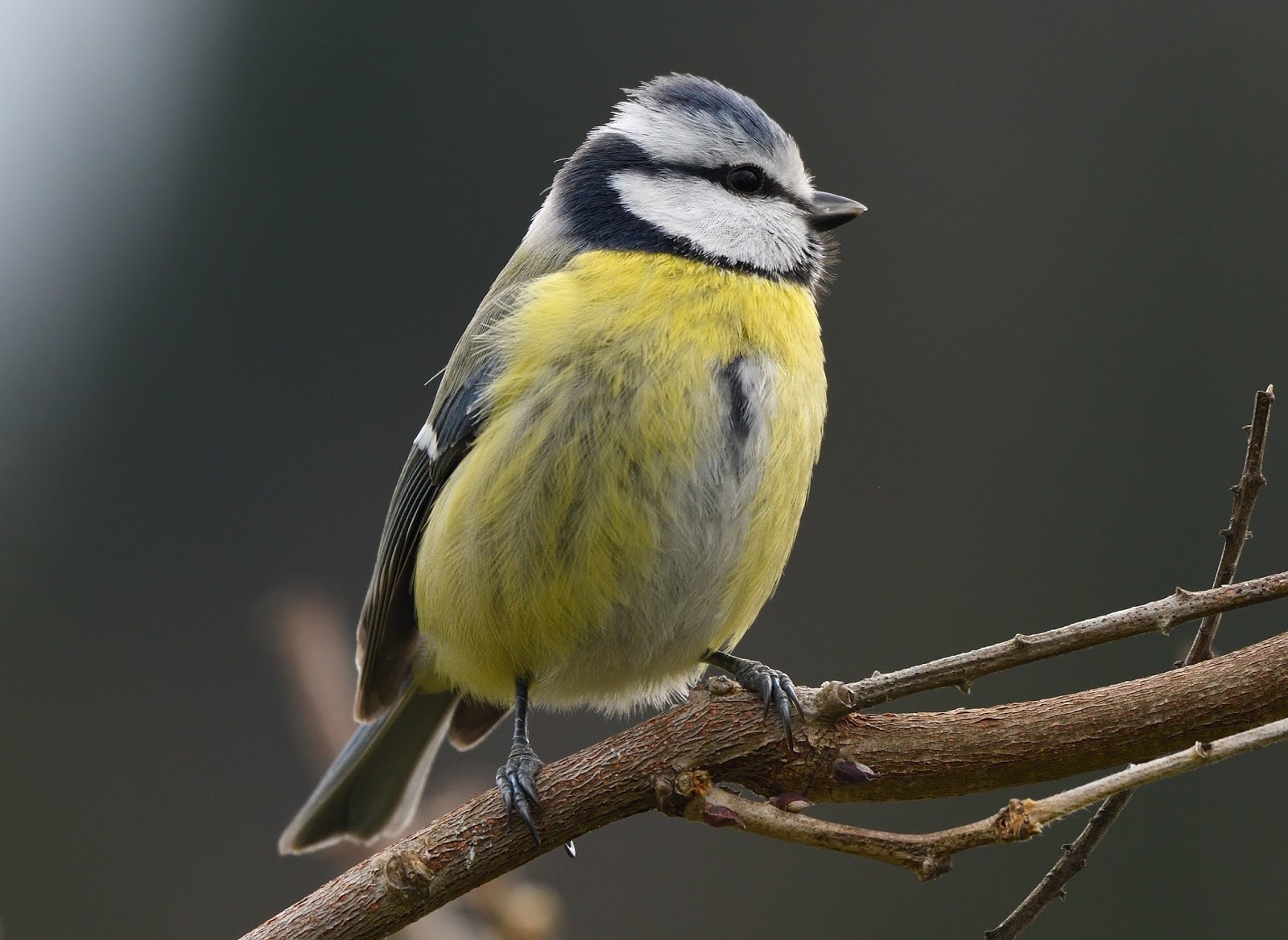
All images taken with my Nikon D500 body and Nikon 200-500 f5.6 lens. The Blue Tit (Cyanistes Caeruleus)    Like most other members of the tit family, Blue Tits are small birds, with strong bills and a rather plump but lively appearance. One of the most noticeable features is the strong head pattern; the dark blue-black eyestripe and the brighter blue ‘skull cap’ are set against the white cheeks and forehead. The blue-green back becomes a brighter blue on the wings, while the underside is a bright lemon yellow. Although male Blue Tits are usually brighter in colour than the females, this difference is not normally apparent in the field. Young Blue Tits are duller in appearance than the adults and have pale yellow rather than white cheeks. a group of Blue Tits, share a feeder with a Great Tit, on a snowy winters day. Although Blue Tits are really birds of deciduous woodland, This delightful and entertaining small bird is a frequent visitor to ga...

one of our most loved birds..........the Robin

Image
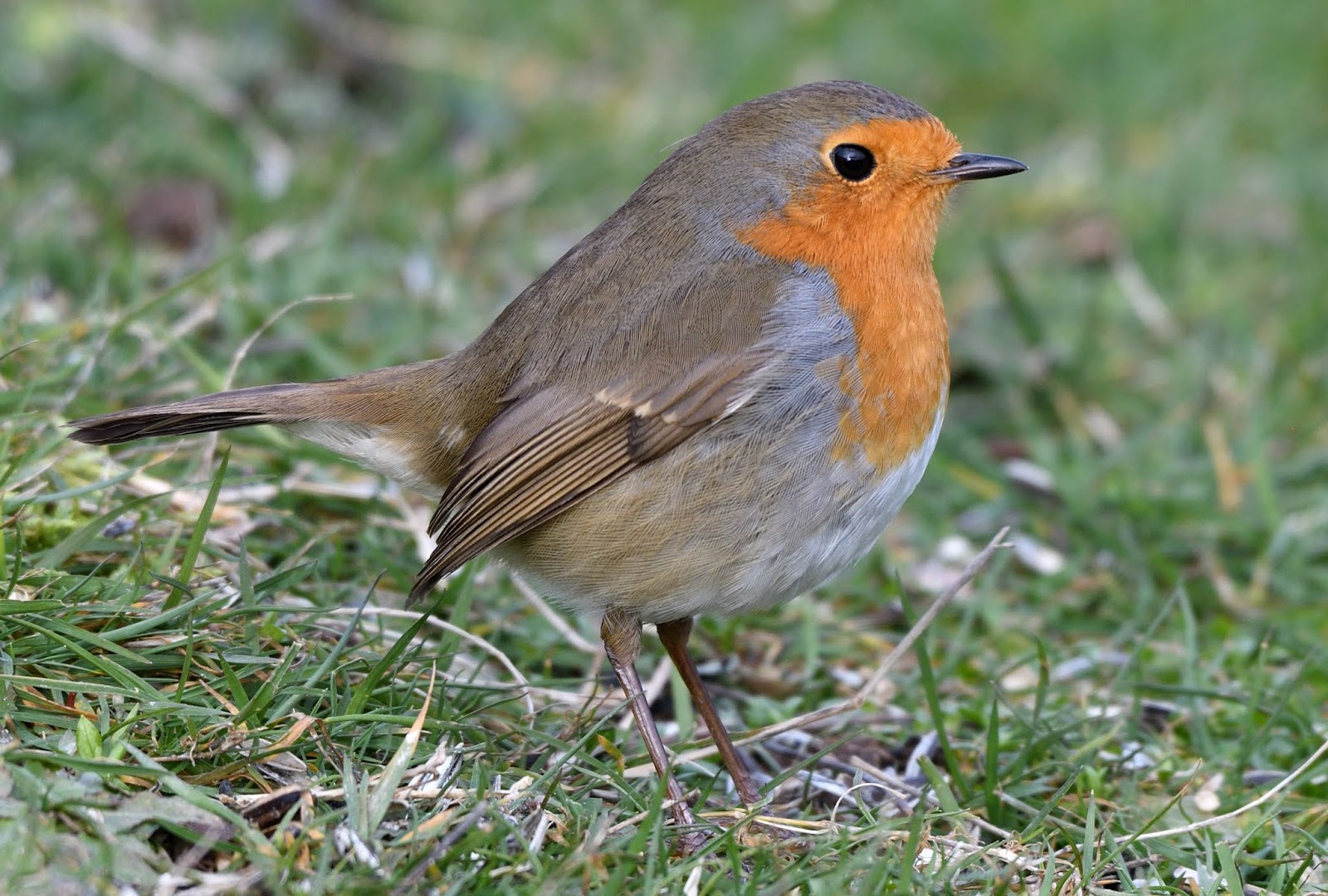
The Robin is the most familiar and most loved of all our garden birds.  Even people not interested in birds will talk about ‘their’ Robin in their garden.  It's the tame and trusting nature of Robins which fool people into thinking it’s the same bird that they see year-after-year, when in fact it’s almost certainly a different individual.   Robins only have an average lifespan of around one year and around 25% never even reach half that age!  However, those that achieve their first birthday, are likely to survive for another 5 to 10 years.  Both male and female adult Robins have the same distinct red breast and can't be confused with any other UK bird. Youngsters have a speckled brown breast until their first moult. It is thought, that this is to protect young birds, as Robins are very territorial and fights over territory, can often result in death.  The robin is one of the few birds in the UK that sing all year round. This is d...